
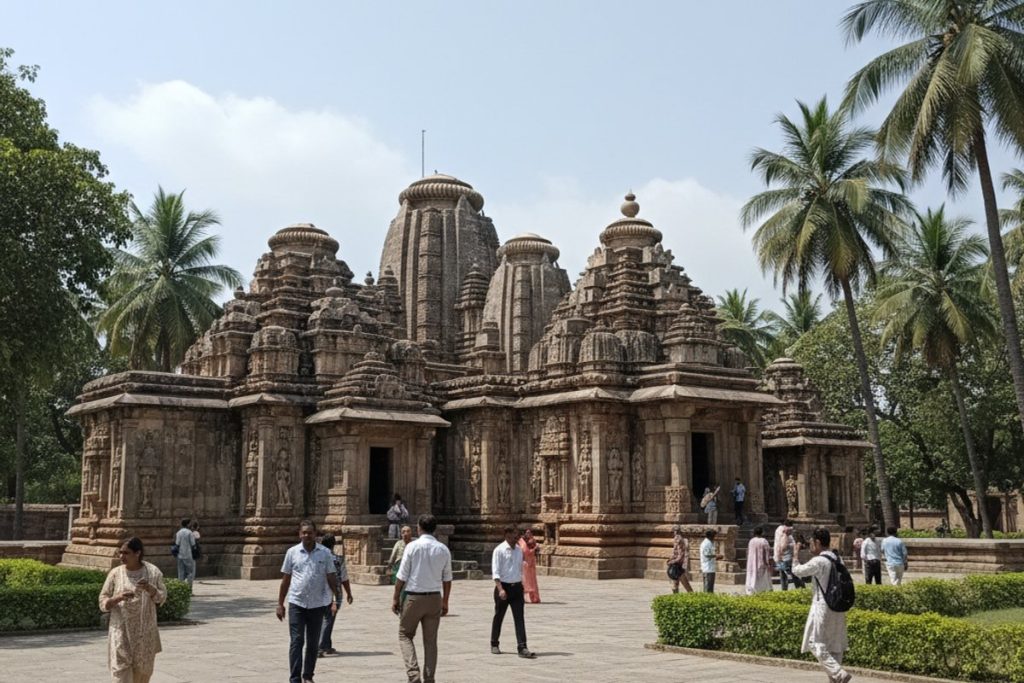
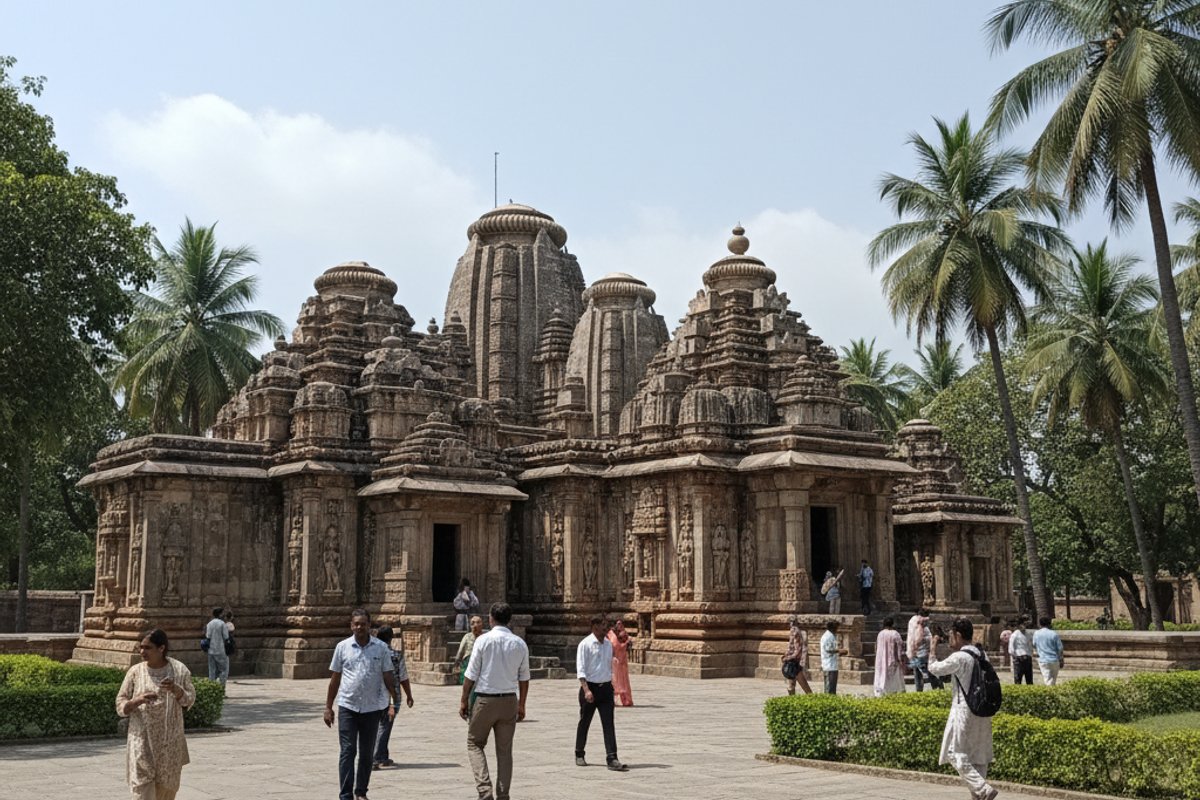
Jatani has a tropical climate with three clear seasons. A short winter from November to February, a brutal summer from March to June, and a wet monsoon from July to October. If you only read one line, come between late October and early March. If you want the full breakdown with temperatures, rainfall, what is open, and what is closed, the month by month guide below has you covered.
October to February, the peak season
These five months are when Odisha is at its best. Daytime temperatures sit between 20 and 30 Celsius, humidity drops, and rainfall is minimal. Konark, Chilika, and Puri are all comfortable. Hotel rates are highest during this window, especially around Christmas and New Year, and you should book Hotel Landmark at least three weeks ahead for late December dates. Festivals in this period include Durga Puja (late September to October), Diwali (October or November), and the Konark Dance Festival (early December). Pack light layers because evenings can drop to 15 Celsius.
March to mid-April, shoulder season
Temperatures climb into the low 30s during the day but mornings and evenings are still pleasant. Crowds thin out after Holi (March) so you can see the temples with breathing room. Accommodation drops 20 to 30 percent compared to peak. Carry a hat, sunscreen, and plenty of water if you are out between 11am and 4pm. This is also mango season, and the local Amrapali variety is worth eating fresh from any roadside stall.
Late April to June, the hot summer
Summer in Jatani is serious. May and June routinely hit 40 to 44 Celsius, sometimes higher. Humidity is high because of the coast. Outdoor sightseeing between 11am and 5pm is genuinely unpleasant and can be dangerous for anyone not used to it. If you must travel in this window, do all exterior sightseeing before 10am or after 5pm, stay hydrated, and take a room with strong air conditioning. The upside is that hotel rates drop by 40 to 50 percent and you can often negotiate further. Rath Yatra at Puri falls in June or July, which draws huge crowds if you want to experience it.
July to September, monsoon
Monsoon in Odisha is heavy. Rainfall averages 300 to 400mm per month, mostly in short intense bursts. Flooding on low lying roads is common. Chilika and coastal areas get cyclone warnings in September and October, and in 2019 Cyclone Fani hit the coast near Puri. The silver lining is that the landscape turns green and temple stone looks striking against wet grey skies. If you are here in monsoon, carry a waterproof shell, wear sandals that can get wet, and check cyclone warnings on the IMD website before any day trip.
Festival calendar worth planning around
- Makar Sankranti, 14 January. Kite flying and sweets across Odisha.
- Ratha Yatra, Puri, June or July depending on the Hindu calendar. Huge crowds, advance booking required.
- Raja Parba, mid-June. A three day festival celebrating the earth, unique to Odisha.
- Durga Puja, late September or early October. Big street celebrations and pandals everywhere.
- Konark Dance Festival, 1 to 5 December. Classical Indian dance against the Sun Temple backdrop.
- Diwali, October or November. Fireworks and lamps throughout the town.
Weather summary by month
- January: 15 to 28 Celsius, dry, best month overall.
- February: 17 to 30 Celsius, dry, still excellent.
- March: 22 to 34 Celsius, dry, warm.
- April: 25 to 38 Celsius, dry, hot.
- May: 28 to 42 Celsius, dry, very hot.
- June: 28 to 40 Celsius, monsoon begins late month.
- July: 26 to 33 Celsius, heavy rain.
- August: 26 to 32 Celsius, heavy rain.
- September: 25 to 33 Celsius, rain tapering, cyclone risk.
- October: 23 to 31 Celsius, dry returning, pleasant.
- November: 18 to 29 Celsius, dry, excellent.
- December: 15 to 27 Celsius, dry, cool, excellent.
What to pack by season
For winter (November to February) bring a light sweater or fleece for evenings, sunscreen, and comfortable walking shoes. For shoulder season pack lightweight breathable cotton, a wide brim hat, and oral rehydration sachets. For summer treat it like the Sahara: loose cotton, a hat, sunglasses, SPF 50 sunscreen, and plan to be indoors during the worst heat. For monsoon a waterproof shell jacket, quick dry trousers, waterproof sandals, and a dry bag for electronics. A small umbrella is also useful in any season for sun or rain.
Booking windows and rate patterns
Hotel rates in Jatani follow a predictable pattern. Peak rates run from mid-December to mid-February, with the single highest rates on 24 December, 31 December, and the weekend of the Konark Dance Festival. Expect 30 to 50 percent markup over shoulder season during these dates. Shoulder season (October, November, March, early April) gives you the best balance of weather and price, with rates only 10 to 20 percent above monsoon lows. If you can travel in October when the weather has just turned pleasant but peak pricing has not kicked in, you get the best value of the year. Book three to four weeks ahead for peak, one to two weeks for shoulder, and walk in works for monsoon and summer.
Best months for specific activities
- Temple photography: November to February, clear skies and soft morning light.
- Chilika bird watching: December to February, migratory flamingos and pelicans at peak.
- Beach time at Puri: October to March, sea is calmer and weather comfortable.
- Wildlife at Nandankanan: November to February, animals more active in cooler weather.
- Surfing and water sports: October to early December, consistent small swell.
- Classical music and dance: December (Konark Dance Festival).
“Stayed at this Hotel for 9 nights…very courteous and prompt staff. The location is noise-free despite being on the main road.”
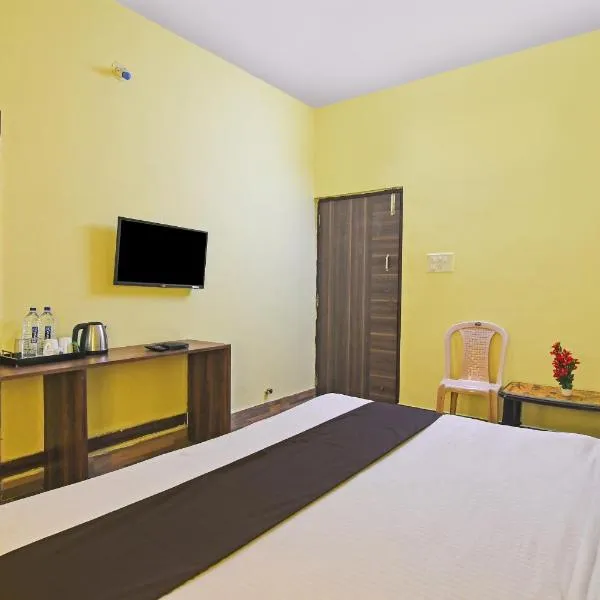
See More Reviews →Hotel Landmark Jatani Photos
Disclosure: booking links on this page are affiliate links.


Related Jatani Guides
Frequently asked questions
When is the single best month to visit Jatani?
December. Cool, dry, the Konark Dance Festival is on, and the skies are clearest for photography.
Is it worth visiting during summer?
Only if you want significantly lower hotel rates and can tolerate 40 plus Celsius. Stick to early morning and evening sightseeing.
Can I visit during monsoon?
Yes but plan for flexibility. Keep day trips short, avoid coastal areas during cyclone warnings, and book refundable tickets where possible.
Which festival is most worth planning around?
Konark Dance Festival in early December if you enjoy classical Indian dance, or Ratha Yatra in Puri in June or July if you want a large religious spectacle.
How far in advance should I book for peak season?
For December and January book at least three to four weeks ahead. For the week between Christmas and New Year, six weeks ahead is safer.